
Electrical Problems in a Rental: Tenant Rights and What to Do First
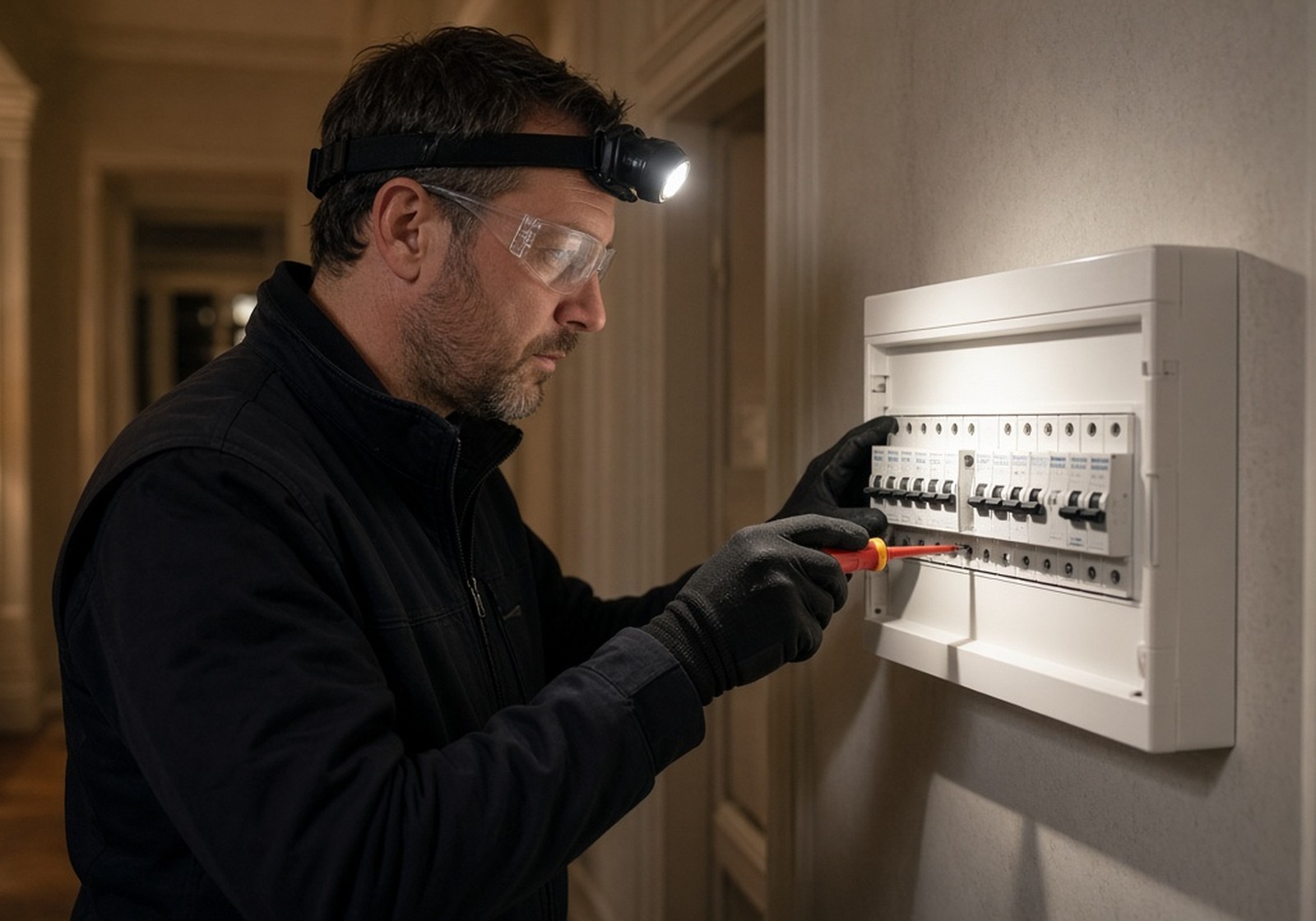
If you rent a home in Bath, your landlord is legally responsible for keeping the electrics safe. Since 2020, private landlords in England must have the installation inspected and tested at least every five years, give tenants a copy of the report and fix dangerous faults within set timescales. This guide explains your rights, what to ask for and what to do in an electrical emergency.
What the Law Requires
The Electrical Safety Standards in the Private Rented Sector (England) Regulations 2020 require landlords to:
| Requirement | Detail |
|---|---|
| Inspection and testing | At least every five years by a qualified person |
| Report to tenants | Copy of the EICR within 28 days of the inspection |
| New tenants | Copy before they move in |
| Remedial work | Within 28 days, or sooner if the report says so |
| Confirmation | Written confirmation of remedial work to tenants and the council within 28 days |
| On request | Copy to the council within 7 days if asked |
Your Right to See the EICR
You are entitled to a copy of the current EICR. If you have not received one, ask your landlord or letting agent in writing. The report should show "satisfactory" overall, or come with confirmation that remedial work was done.
Reading the Report
- C1: danger present, must be made safe immediately.
- C2: potentially dangerous, must be fixed.
- FI: further investigation needed, must be carried out.
- C3: improvement recommended, not required.
See EICR codes explained.
Appliances Provided by the Landlord
The 2020 regulations cover the fixed installation. Appliances supplied by the landlord, such as a cooker or washing machine, must be safe under general consumer and housing law. Many landlords also PAT test them. See EICR vs PAT testing.
Smoke Alarms
Landlords must fit a smoke alarm on every storey used as living accommodation and a carbon monoxide alarm in rooms with fixed combustion appliances, and repair or replace alarms once told they are faulty.
What To Do in an Electrical Emergency
- Make yourself safe: switch off at the main switch if you can reach it safely.
- Call 999 if there is fire or smoke.
- Contact your landlord or agent immediately, in writing as well as by phone.
- If you cannot reach them and the danger continues, check your tenancy agreement for emergency repair arrangements.
Keep a record of the date, what happened and who you told.
Reporting Non-Urgent Faults
Report faults in writing, with photos. Examples: a socket that does not work, a light that flickers, a cracked switch, frequent trips. Keep copies of messages.
If Your Landlord Does Not Act
- Remind them in writing, referring to the 2020 regulations.
- Contact Bath and North East Somerset Council's housing team. The council can require remedial work and impose penalties.
- Get advice from Citizens Advice or Shelter.
You are protected against retaliatory eviction in many situations once the council has become involved.
What Tenants Should Not Do
- Do not carry out electrical repairs yourself.
- Do not overload sockets with extension leads. See overloaded sockets and extension leads.
- Do not ignore burning smells or scorching.
Frequently Asked Questions
Can I arrange an electrician myself?
In a genuine emergency, check your tenancy agreement and tell your landlord first where possible.
Who pays for electrical repairs?
Usually the landlord, unless you caused the damage.
Does this apply to HMOs?
Yes, and HMOs have further licensing requirements.
Does it apply to social housing?
Social landlords have similar duties under separate rules.
Landlord or Tenant Needing Help?
We carry out EICRs and remedial work for rentals across Bath. See landlord responsibilities or contact us.