
Landlord Electrical Safety Responsibilities in England: A Practical Guide for Bath Landlords
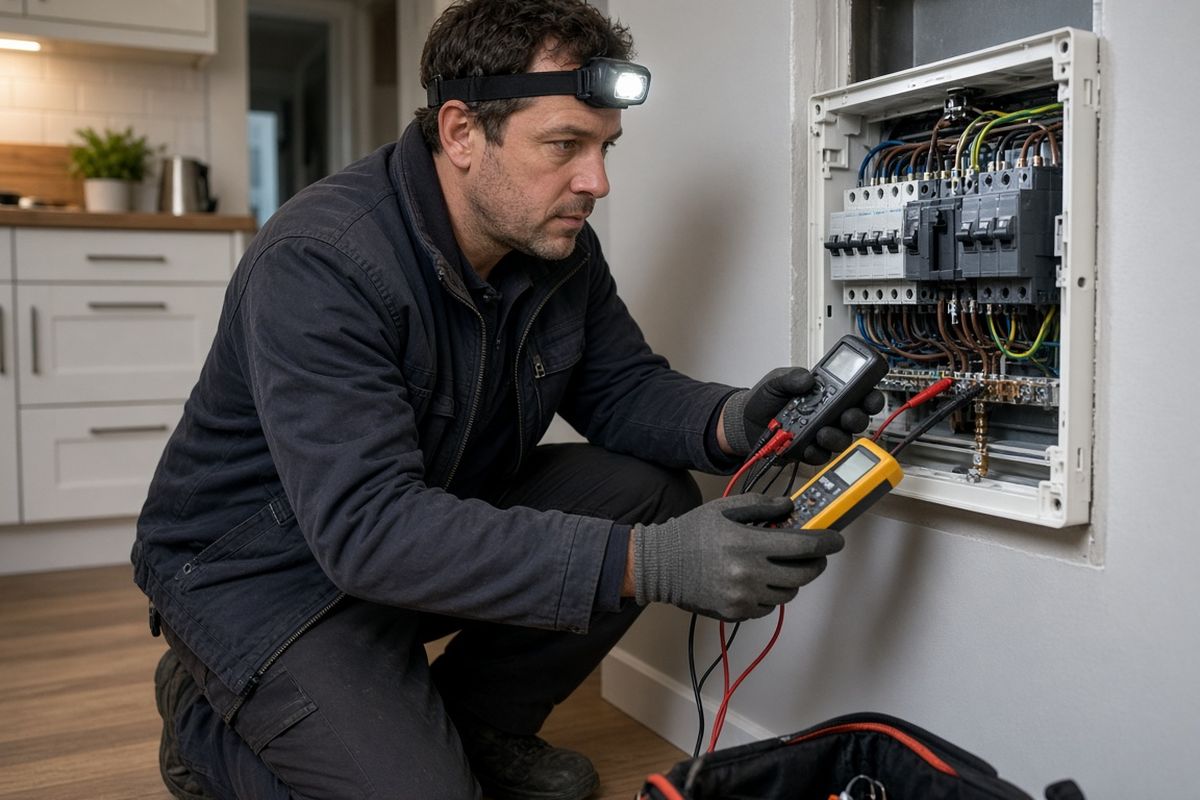
Private landlords in England have clear legal duties for electrical safety. You must have the electrical installation inspected and tested at least every five years, give the report to tenants, fix dangerous issues within 28 days and keep records. Penalties for failing can reach £30,000. This guide sets out what Bath landlords need to do, how to manage EICRs and remedials, and how to handle tenant emergencies.
The Core Duties
| Duty | Detail |
|---|---|
| EICR | At least every five years, or sooner if the report says so |
| Qualified inspector | A competent, qualified person must do it |
| Copy to tenants | Within 28 days of the inspection |
| Copy to new tenants | Before they move in |
| Copy to council | Within 7 days if requested |
| Remedial work | Within 28 days, or the shorter period stated |
| Written confirmation | To tenants and council within 28 days of remedials |
These come from the Electrical Safety Standards in the Private Rented Sector (England) Regulations 2020.
Choosing an Inspector
Use a qualified, experienced electrician who carries out EICRs regularly. Many are registered with a competent person scheme. Ask to see their qualifications and insurance.
Understanding the Report
The report will be satisfactory or unsatisfactory. C1, C2 and FI items make it unsatisfactory and must be dealt with. See EICR codes explained.
Remedial Work
- Get a separate quote for each item.
- Agree a date with tenants.
- Make sure the electrician issues a Minor Works Certificate or EIC for the work.
- Send written confirmation to tenants and the council.
- Keep all records.
Appliances
Appliances you provide should be safe. PAT testing is not specifically required for single-household lets, but it is good practice and is often required for HMOs. See EICR vs PAT testing.
Smoke and Carbon Monoxide Alarms
Landlords must fit a smoke alarm on each storey used as living accommodation, a carbon monoxide alarm in rooms with a fixed combustion appliance (except gas cookers), and repair or replace alarms once told they are faulty.
HMOs and Student Lets
Bath has many student and HMO properties. HMOs need a licence from the council in many cases, with further electrical, fire and safety requirements. Larger HMOs usually need fire alarm systems and emergency lighting.
Holiday Lets
Holiday lets are not covered by the 2020 regulations, but you still have a duty of care. See electrical safety in holiday lets and empty homes.
Tenant Emergencies
Give tenants a clear emergency contact. For dangerous faults, act quickly: arrange an emergency electrician to make safe. Keep a record of response times.
Penalties
Councils can issue remedial notices, carry out work themselves and recover costs, and impose financial penalties of up to £30,000.
Between Tenancies
Use empty periods for EICRs and remedial work. It is less disruptive and often quicker.
Frequently Asked Questions
Do I need a new EICR for every tenancy?
No, it lasts up to five years unless the report says sooner.
What if the tenant refuses access?
Keep a record of attempts. The regulations allow for reasonable steps.
Are letting agents responsible?
They may manage the process, but the legal duty is the landlord's.
Does a new build need an EICR?
The EIC can be used for the first five years.
Landlord in Bath?
We carry out EICRs and remedial work. See tenant electrical safety rights or contact us.