
Buying a House in Bath: Electrical Surveys, Questions to Ask and Negotiation
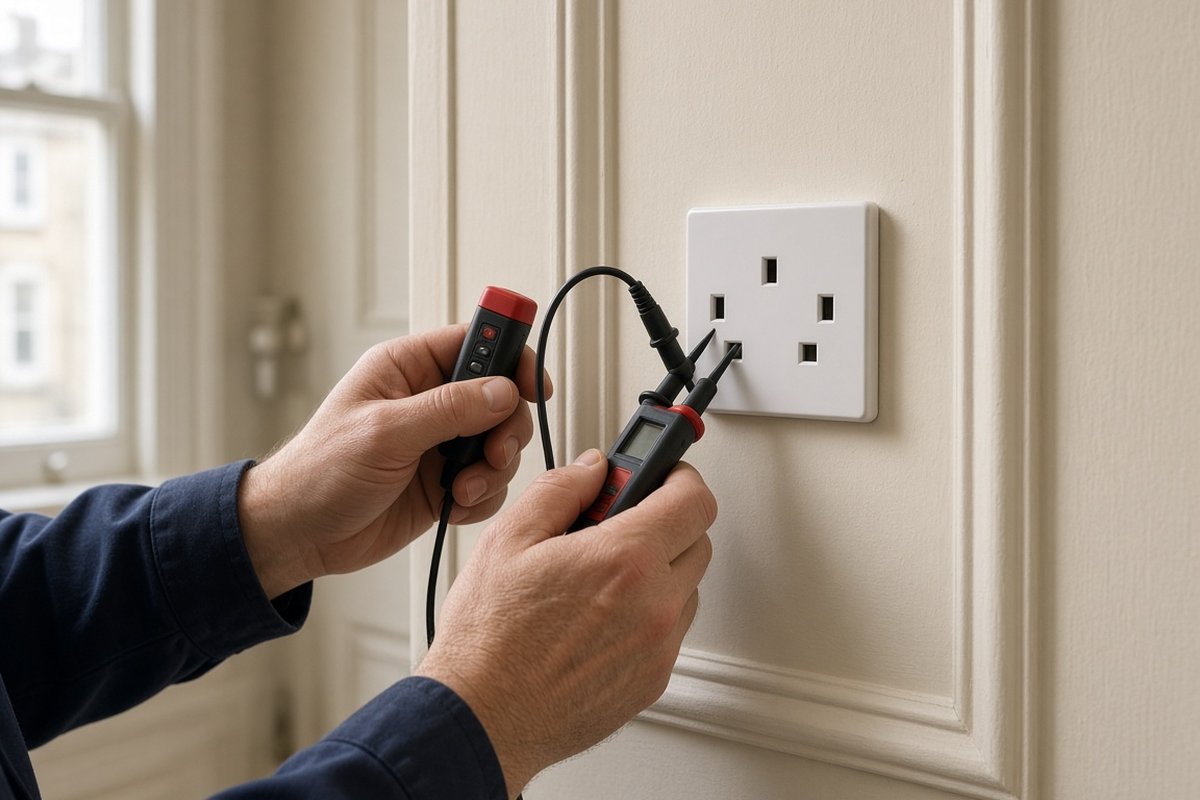
A standard homebuyer's survey only takes a quick look at the electrics, and most surveyors will recommend that "a qualified electrician inspects and tests the installation" for any house more than a few years old. If you are buying in Bath, where much of the housing is Georgian, Victorian or Edwardian, that recommendation is worth taking seriously before you exchange contracts.
Start With the Seller's Property Information Form
In England, sellers usually complete the TA6 Property Information Form. It asks whether the electrics have been checked, when, and whether any work since 2005 has a Building Regulations compliance certificate or electrical installation certificate. Look for:
- The date of the last EICR and its result
- Certificates for any rewire, consumer unit replacement or new circuits
- Extensions, loft conversions or kitchen refits and their electrical paperwork
Missing paperwork does not mean the work is bad, but it means nobody can prove it was done properly.
Use Your Pre-Exchange Window Well
You can ask the seller's permission to have an electrician carry out an EICR before you exchange. It usually takes half a day for an average house. The report gives you:
- An overall satisfactory or unsatisfactory verdict
- A list of defects coded C1, C2, C3 or FI
- An idea of the remaining life of the installation
That is far more useful in negotiation than a surveyor's general comment.
The Old-Home Angle in Bath
Common findings in older Bath properties include:
- Partial rewires, where newer circuits sit alongside original cable
- Old fuse boards, sometimes several in one house
- Lighting circuits with no earth
- Cellar and vault wiring affected by damp
- Converted flats with shared supplies or unclear meter arrangements
- Listed building constraints that affect how a rewire can be done
Questions to Ask the Seller
- When were the electrics last inspected, and can we see the report?
- Has the house been rewired? When, and is there a certificate?
- When was the consumer unit last changed?
- Have there been any problems with tripping, flickering or burning smells?
- Is any of the electrical work DIY?
- Are there any outbuildings with their own supply?
How to Negotiate When Faults Turn Up
- C1 and C2 items are safety issues. You can ask the seller to fix them before completion or reduce the price to reflect the cost.
- C3 items are recommendations and carry less weight.
- A recommendation for a rewire is a major cost and a fair point for renegotiation.
Get a written quote for the remedial work so the figure on the table is real.
Safety Before You Move In
If the report finds dangerous items, have them fixed before you move furniture and family in. It is much easier to rewire an empty house. See how long a rewire takes and can you stay home during a rewire.
A Small Problem vs a Big One
| Small | Big |
|---|---|
| A few cracked sockets | No RCD protection anywhere |
| Missing labels on the consumer unit | Rubber-insulated or lead cable |
| One circuit with low insulation readings | Several circuits failing tests |
| No smoke alarms | Evidence of overheating and scorching |
Frequently Asked Questions
Is an EICR legally required when buying a house?
No, not for an owner-occupied home. It is strongly recommended for older properties and is often asked for by buyers and some lenders.
Who pays for the EICR when buying?
Usually the buyer, because it is for their benefit. Some sellers commission one in advance to speed up the sale.
How much does an EICR cost in Bath?
It depends on size and number of circuits. A flat is usually less than a large townhouse. We give a fixed price before booking.
Can I get a mortgage on a house with old wiring?
Usually yes, but some lenders may ask for an electrician's report or hold back funds until work is done.
Get a Clear Answer Before Your Deadline
Our electrical fault finding service includes pre-purchase inspections and EICRs across Bath. Contact us with your exchange date and we will fit around it.