
Does Home Insurance Cover Electrical Damage and Electrical Fires in the UK?
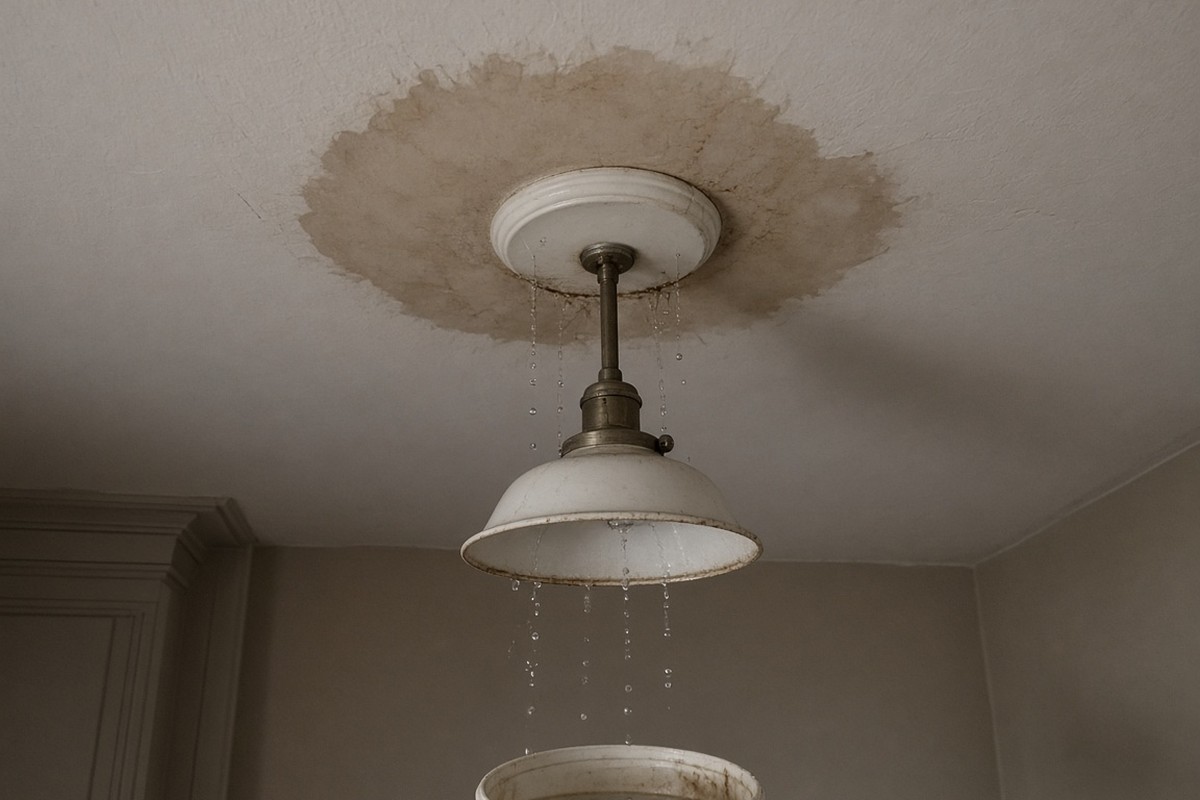
Home insurance can cover electrical damage, but it depends on what caused it and what your policy includes. Damage from fire, flood or escape of water is usually covered. Wear and tear, old wiring and faulty DIY usually are not. This guide explains what is typically covered, what is not, and how to make a claim after an electrical emergency.
What Is Usually Covered
| Cause | Typically covered? |
|---|---|
| Fire caused by an electrical fault | Yes, under buildings and contents |
| Escape of water damaging electrics | Usually, under buildings |
| Flood damage | Usually, under buildings and contents |
| Storm or lightning | Often |
| Accidental damage to wiring (e.g. drilling) | Only with accidental damage cover |
| Power surge damaging appliances | Sometimes, check policy |
What Is Usually Not Covered
- Wear and tear, such as ageing wiring.
- Poor workmanship or DIY that was not done properly.
- Gradual damage, such as slow leaks over months.
- Rodent damage, in many policies.
- Upgrades, such as a new consumer unit not caused by an insured event.
Home Emergency Cover
Some policies include home emergency cover for electrical failures. It typically covers a call-out and a limited amount of labour and parts to make safe, not full repairs. Check the limit and whether you must use their contractor.
Making a Claim
- Make the property safe and call an electrician.
- Take photos of damage.
- Keep damaged items if possible.
- Get a written report and invoice from the electrician.
- Contact your insurer as soon as possible.
- Do not authorise major work without checking with the insurer, except to make safe.
The Electrician's Report
A clear report helps: what was found, the likely cause, what was done to make safe and what further work is needed. Ask for test results if relevant.
Certificates and Claims
Insurers may ask whether previous electrical work was certified. Keep your certificates. See electrical certificates after work explained.
Landlords and Tenants
Landlords' buildings insurance usually covers the installation; tenants' contents insurance covers their possessions. Landlords should tell insurers about EICR results if asked.
Water Damage From a Neighbour
If water from a flat above damages your electrics, your buildings insurer or the freeholder's block policy may cover it. See water leaking from a light fitting.
Typical Claim Scenarios
A Scorched Socket Caused a Small Fire
Fire damage to the room is usually covered under buildings and contents insurance. The repair to the faulty socket itself may be treated as maintenance, but the resulting damage is normally covered.
A Leak From the Bathroom Shorted the Lights
Escape of water usually covers the damaged ceiling, the light fittings and the electrician's work to make the circuit safe and retest it. Tracing and fixing the leak may be covered under "trace and access" if your policy includes it.
Drilling Through a Cable
Damage you cause yourself is normally only covered with accidental damage cover. Without it, the repair is your cost.
Lightning Strike
Damage to the installation and appliances from lightning is often covered. Keep damaged items and get a report confirming the likely cause.
Getting the Most From a Claim
- Report quickly; delays can reduce cover.
- Keep receipts for emergency work and any temporary accommodation.
- Ask the electrician to separate insured damage from pre-existing issues in their report.
- Check your excess, as small claims may not be worth making.
Frequently Asked Questions
Will my insurer pay for an emergency electrician?
Often, if the cause is insured or you have home emergency cover.
Is old wiring covered?
No. Replacing worn-out wiring is maintenance.
Does insurance cover a power surge?
Sometimes, for appliances. Check your policy.
Do I need an EICR for insurance?
Not usually, but some insurers ask about the condition of electrics.
Need a Report for Your Insurer?
We provide clear written reports after emergency work. Contact us.