
Electrical Certificates After Work: What You Should Get and Why It Matters
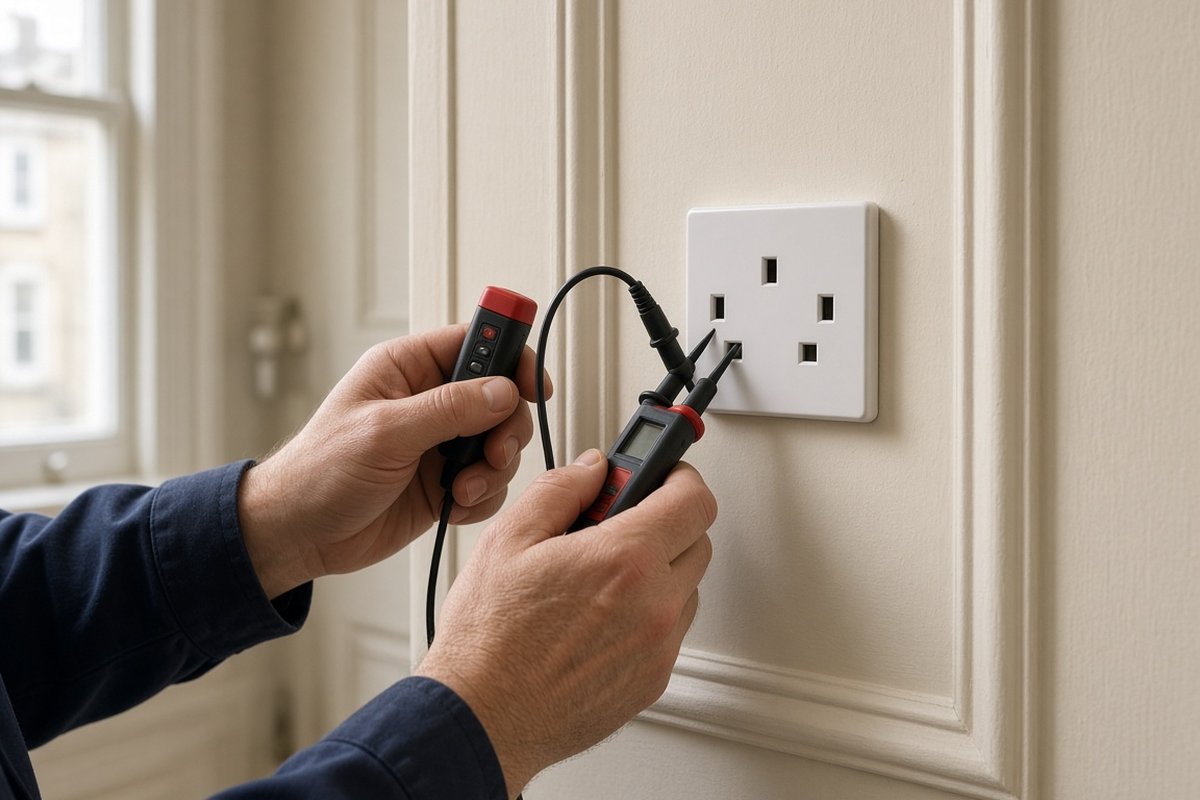
After any electrical work, you should receive paperwork that shows what was done and that it was tested. Which certificate depends on the size of the job: a Minor Works Certificate for small additions, an Electrical Installation Certificate for new circuits and consumer unit changes, and a Building Regulations compliance certificate for notifiable work. This guide explains each one, what should be on it and why it matters later.
The Main Types of Certificate
| Certificate | When it is issued | What it shows |
|---|---|---|
| Minor Electrical Installation Works Certificate (MEIWC) | Additions or alterations that do not include a new circuit, such as an extra socket | Description of work, test results for the circuit |
| Electrical Installation Certificate (EIC) | New circuits, rewires, consumer unit replacement | Design, construction, inspection and test results for the whole job |
| Building Regulations compliance certificate | Notifiable work done by a registered electrician | Confirms the work was notified under Part P |
| Electrical Installation Condition Report (EICR) | Periodic inspection of an existing installation | Condition of the installation, with coded observations |
Minor Works Certificate
A Minor Works Certificate covers small jobs: adding a socket to an existing circuit, replacing a damaged section of cable, moving a light. It records:
- What was done and where.
- The circuit it was done on and its protective device.
- Test results: continuity, insulation resistance, polarity, earth fault loop impedance and RCD operation.
- Any defects observed in the existing installation.
- The electrician's details and signature.
Even if the work is not notifiable, a Minor Works Certificate is good practice and shows the circuit was tested.
Electrical Installation Certificate
An EIC is issued for bigger jobs. It includes the design details, schedules of inspections, and a schedule of test results for each circuit. For a consumer unit replacement, it covers every circuit connected to the new board.
The EIC should be signed for design, construction and inspection and testing. On a domestic job, the same person often signs all three.
Building Regulations Compliance Certificate
For notifiable work, a registered electrician notifies their competent person scheme, which tells the local authority. You then receive a compliance certificate, usually by post within a few weeks. Keep it with the EIC. See Part P building regulations explained.
EICR: A Report, Not a Certificate
An EICR is often called a "certificate" but is actually a report on the condition of an existing installation. It is not issued for new work. It codes problems C1, C2, C3 or FI and says whether the installation is satisfactory for continued use. See EICR codes explained.
What to Check on Your Paperwork
- Your address and a clear description of the work.
- The date the work was completed.
- Test results filled in, not left blank.
- The electrician's name, company and registration number.
- Signatures in the right places.
- Any observations about the existing installation.
If something is missing, ask for it to be corrected.
Why Certificates Matter
- Selling your home: buyers' solicitors ask for certificates. See selling a house: electrical certificates.
- Insurance: some insurers ask whether electrical work was certified.
- Landlords: certificates and EICRs show compliance.
- Future work: the next electrician can see what was done.
- Guarantee claims: certificates show what was installed.
Emergency Repairs and Certificates
An emergency repair, such as replacing a scorched socket or remaking a connection, should normally come with a Minor Works Certificate. If the electrician only made the installation safe without completing a repair, they should explain what was done and what is still needed, in writing.
Lost Certificates
If you have lost a certificate:
- Ask the electrician for a copy.
- Contact their competent person scheme for a copy of the compliance certificate.
- Ask building control whether the work was notified.
Digital Certificates
Many electricians now issue certificates digitally as PDFs. Save them somewhere safe and keep a printed copy with your house documents.
Frequently Asked Questions
Do I get a certificate for replacing a socket?
A Minor Works Certificate is good practice, though the work is not notifiable.
What is the difference between an EIC and an EICR?
An EIC is for new work. An EICR reports on an existing installation.
How long should I keep certificates?
For as long as you own the property, and pass them on when you sell.
What if the electrician did not give me one?
Ask for it. Registered electricians should always provide the right certificate.
Need Certified Work?
All our work comes with the right paperwork. See our services or contact us.