
Electrical Problems in New Build Homes: Snags, Tripping and the First Year
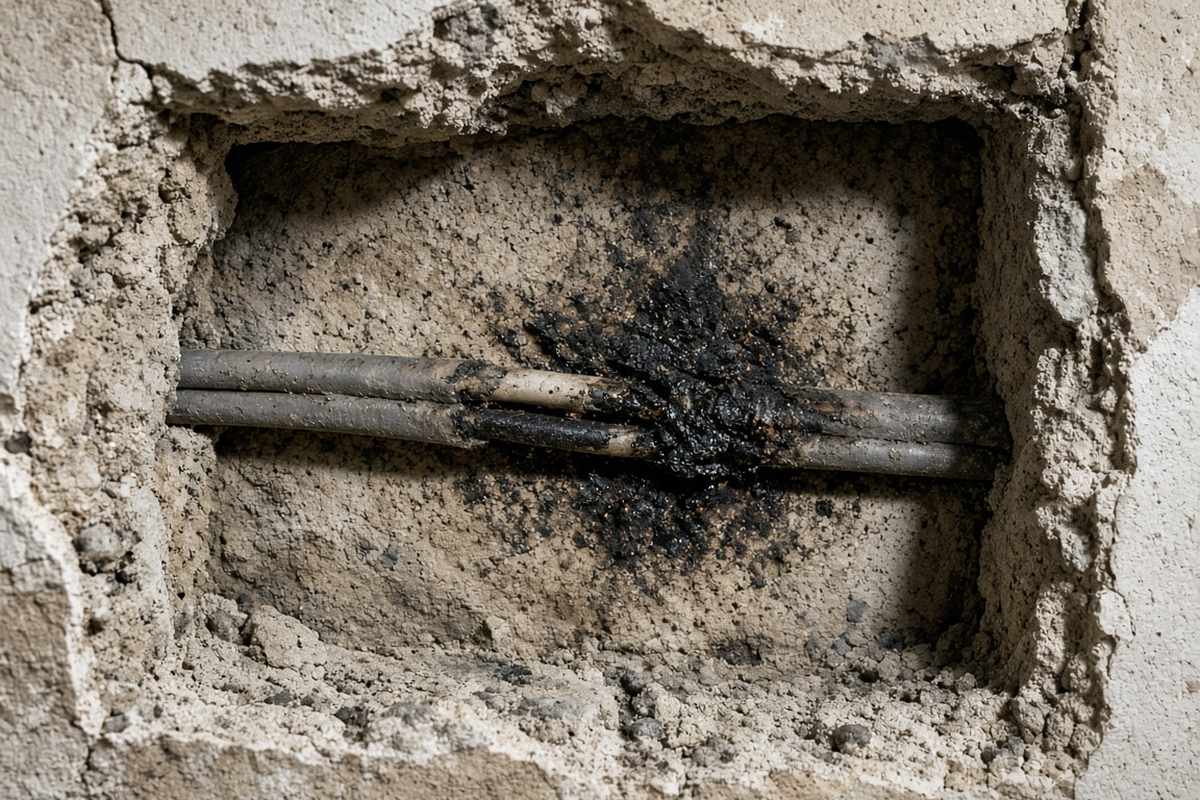
New-build homes should have modern electrics, but problems still happen: RCDs that trip without obvious cause, sockets that do not work, faulty downlights, missing connections and snagging issues that appear in the first months. This guide covers common electrical problems in new builds, what is covered by the developer and warranty, and when to call an electrician.
Common New-Build Electrical Problems
| Problem | Likely cause |
|---|---|
| RCD trips | Nail or screw through a cable, outdoor fitting letting in water, faulty appliance |
| Dead sockets or lights | Loose connection, missed termination |
| Flickering downlights | Incompatible LED lamps and dimmers |
| Extractor fans not working | Loose wiring or faulty fan |
| Outside lights tripping | Water ingress |
| Smoke alarms chirping | Interconnection or backup battery issue |
| EV charger faults | Installation or settings |
Why New Builds Have Electrical Faults
- Speed of building: large sites with several trades can lead to missed connections.
- Nails and screws: fixings for plasterboard, skirting or kitchen units can hit cables.
- Settling: new buildings move slightly as they dry out.
- Shared fittings: cheap fittings may fail early.
What to Do First
- Check the consumer unit for a tripped device.
- Note which circuits are affected.
- Unplug appliances and try resetting.
- Photograph any damage.
- Report the issue to the developer in writing.
Developer Responsibility
In the first two years, most new-build warranties make the developer responsible for defects. Report electrical faults to the developer's customer care team. For urgent safety issues, call an electrician to make safe and keep the report and invoice. Ask the developer in advance whether they will reimburse emergency call-outs.
Warranty After Two Years
From years three to ten, warranties usually cover structural defects only. Electrical faults are then normally the homeowner's responsibility.
Snagging Checks
Before or soon after moving in, check:
- Every socket works, using a plug-in tester.
- All lights and switches work.
- RCD test buttons work.
- Smoke and heat alarms are interconnected.
- Outdoor lights and sockets are sealed.
- You received the Electrical Installation Certificate.
See electrical certificates after work explained.
Drilling and Fixing
New builds use plasterboard walls with cables running vertically and horizontally from sockets and switches. Before drilling, use a cable detector and avoid the safe zones above, below and beside accessories.
New Builds Around Bath
New developments on the edges of Bath and in nearby villages usually include RCBO consumer units, LED lighting, and sometimes solar panels and EV chargers. These add complexity, so faults are best investigated by an electrician familiar with them. See EV charger tripping the electrics.
Frequently Asked Questions
Who fixes electrical faults in a new build?
The developer in the first two years, under most warranties.
Can I use my own electrician?
For emergencies, yes. Check the developer's policy first for non-urgent faults.
Why does my new house keep tripping?
Often a damaged cable, outdoor fitting or appliance. Testing finds it.
Do new builds need an EICR?
Not immediately. They come with an EIC. An EICR is advised after about 10 years.
Problem in Your New Build?
Call us for urgent faults. See electrical fault finding.