
Winter Electrical Overload: Portable Heaters, Cold Snaps and Tripping Fuses
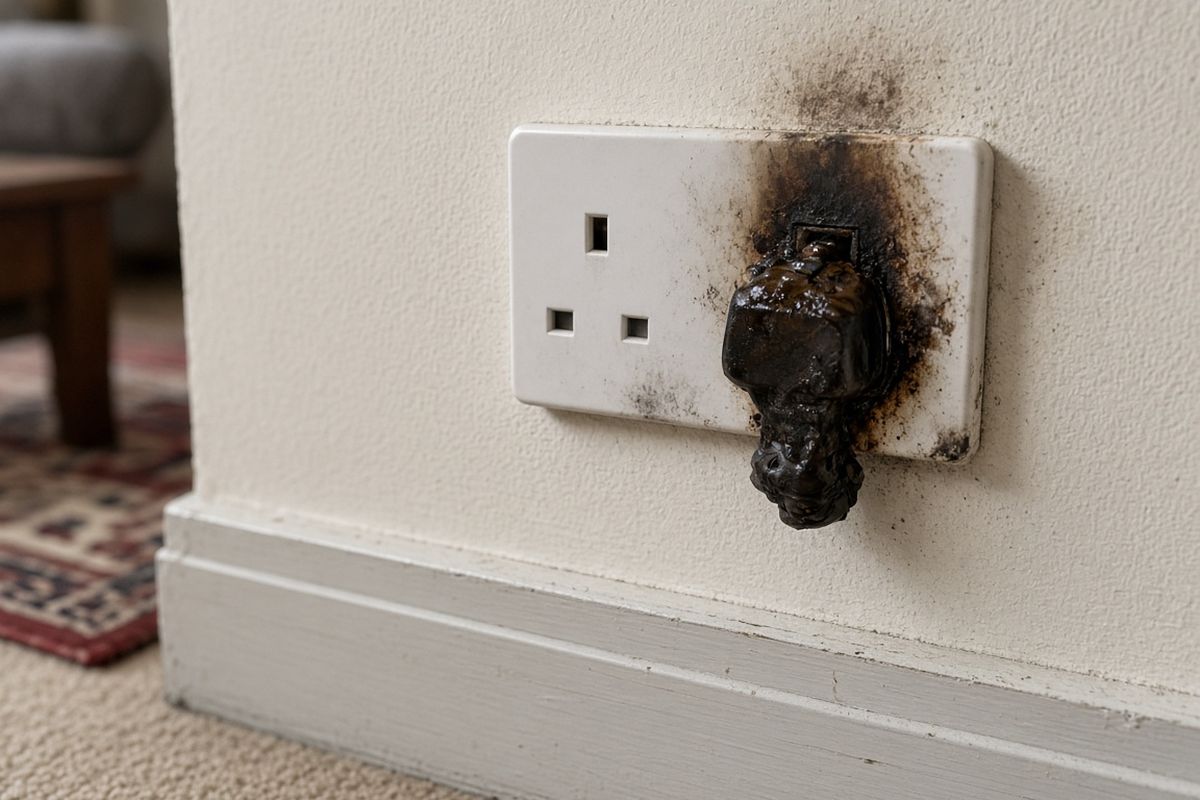
Cold snaps bring a predictable rise in electrical problems: tripping circuits, warm plugs, scorched sockets and overloaded extension leads. Portable heaters draw a lot of current, and older Bath homes were rarely wired for several of them at once. This guide explains why winter overload happens, which habits cause it, and how to stay warm without putting your installation at risk.
Why Winter Is Hard on the Electrics
In summer, most homes use a modest amount of power spread across the day. In winter, the load goes up and bunches together. Heating, lighting, cooking, tumble dryers and hot drinks all peak in the early evening. Add a fan heater or an oil-filled radiator in two or three rooms, and circuits that cope comfortably for most of the year are suddenly running close to their limits.
Older installations feel this most. A Victorian terrace with a handful of sockets per floor, or a flat with one ring circuit for the whole property, was never designed for the number of appliances we now plug in. The weakest points are plugs, sockets, adaptors and extension leads, because that is where current passes through small contacts that heat up.
How Much Power Heaters Use
| Appliance | Typical power | Approximate current |
|---|---|---|
| Fan heater | 2 to 3 kW | 8.5 to 13 A |
| Oil-filled radiator | 1.5 to 2.5 kW | 6.5 to 11 A |
| Convector heater | 2 kW | 8.5 A |
| Halogen heater | 1.2 kW | 5 A |
| Electric blanket | 60 to 150 W | Under 1 A |
| Kettle | 3 kW | 13 A |
A standard UK plug and socket is rated at 13 amps. A single 3 kW heater uses all of that on its own. Plugging it into an extension lead with a kettle or a tumble dryer, or into a four-way adaptor with other appliances, asks the lead and socket to carry far more than they are designed for.
The Signs of Overload
Watch for these warning signs, especially on cold evenings:
- Plugs or sockets that feel warm or hot to the touch.
- Brown marks or discolouration on a plug, socket or extension lead.
- A smell of hot plastic near a heater or socket.
- Lights dimming when a heater switches on.
- Breakers tripping in the evening when everything is running.
- Extension leads that crackle or buzz.
A warm plug is a warning. A hot plug, or one that is discoloured, means stop using it and get the socket and plug checked. See burning smell from a socket or switch.
Extension Leads and Adaptors
Most winter overload calls come back to extension leads. They are useful, but they are not a substitute for enough sockets. Common mistakes include:
- Plugging a heater into an extension lead rather than directly into a wall socket.
- Plugging one extension lead into another ("daisy-chaining").
- Using block adaptors that make the plug sit loosely in the socket.
- Running leads under rugs or carpets, where they cannot cool and get damaged.
- Leaving a cable reel wound up while in use, which makes it heat up.
Electrical Safety First has a free socket overload calculator that shows how close a lead is to its limit. See also overloaded sockets and extension leads.
Why Breakers Trip on Cold Evenings
A circuit breaker trips when the current on a circuit is more than the cable is designed to carry for long. If several heaters share one circuit, the breaker may trip after a few minutes. That is the protection doing its job. Resetting it and carrying on with the same load will just trip it again.
An RCD trip is different. It means current is leaking to earth. In winter, this is often caused by water getting into outside lights or sockets, damp in a cellar, or a heater with an internal fault. See is it safe to keep resetting a tripped breaker?
Storage heaters and electric heating
Homes with storage heaters or electric panel heaters have dedicated circuits, often on an off-peak supply. Problems there are more likely to be failed timers, contactors or elements than overload. If storage heaters are cold in the morning, see our shower and heating repairs page.
Using Heaters Safely
- Plug heaters directly into a wall socket, one heater per socket.
- Keep heaters at least a metre from curtains, bedding, clothes and furniture.
- Never cover a heater or dry clothes on it.
- Do not leave heaters running when you go out or go to sleep, unless they are designed for that.
- Check the flex and plug for damage before each winter.
- Replace old heaters with visible damage, loose controls or missing guards.
- Register appliances with the manufacturer so you hear about recalls.
Making Older Homes Cope Better
If you rely on portable heaters every winter, the long-term fix is either better heating or better wiring. Adding sockets where you need them means fewer leads. A modern consumer unit with RCBOs means one fault does not turn off half the house. An EICR will show whether the existing circuits are in good enough condition for the extra load.
In listed buildings and older Bath houses, this can be planned around the building, using existing routes and avoiding damage to historic plaster. See signs your house needs a rewire.
Vulnerable People in Cold Weather
Older people and people with health conditions may rely on electric heating or medical equipment. If someone depends on electricity for medical reasons, they can join their network operator's Priority Services Register, which gives extra support during power cuts. Check on elderly neighbours in a cold snap, especially if their heating has failed. See electrical safety for children and older adults.
Frequently Asked Questions
Is it safe to plug a heater into an extension lead?
It is best avoided. Plug heaters directly into a wall socket. If you must use a lead, use a single heavy-duty lead with nothing else on it and fully unwind any reel.
Why does my power trip when I use a heater?
Either the circuit is overloaded and the breaker trips, or the heater has a fault and the RCD trips. Try the heater on a different circuit. If it trips again, the heater may be faulty.
Are oil-filled radiators safer than fan heaters?
They have no exposed elements and run cooler on the surface, but they still draw a lot of power. The same rules about sockets and leads apply.
Should I leave a heater on overnight?
Only if it is designed for that, with a thermostat and tip-over protection, and is well away from bedding and furniture.
Tripping or Warm Sockets This Winter?
Do not wait for it to get worse. Call us for fuse box and tripping repairs or to check a warm socket anywhere in Bath.