
Electrical Safety Myths: What UK Guidance Actually Says About Home Electrics
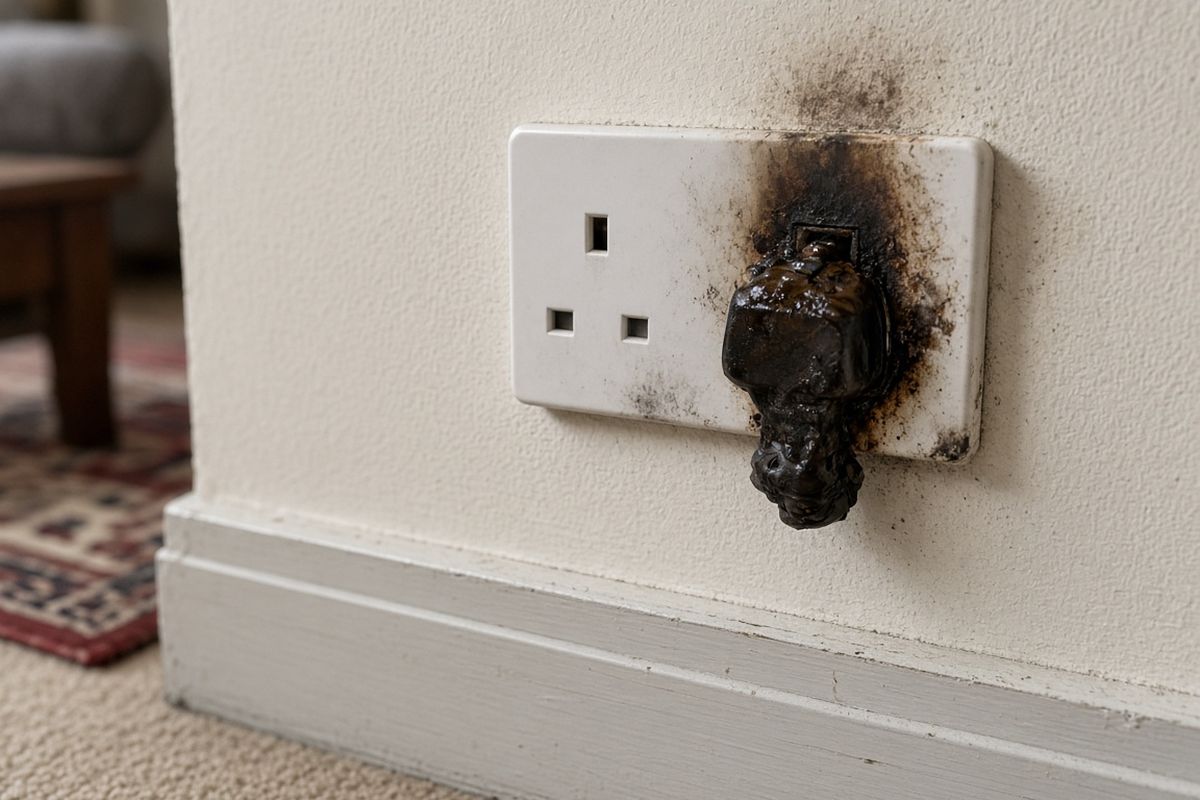
A lot of what people believe about home electrics was passed down from a time when houses had a handful of sockets and rewireable fuses. Some of it is harmless, some is out of date, and some is genuinely dangerous. Below we check the most common myths against current UK guidance from BS 7671 and organisations such as Electrical Safety First.
What "Electrical Safety" Means in a Home
Three things keep people safe from the electrics in a house:
- Protective devices (fuses, circuit breakers and RCDs) that switch off the supply when something goes wrong.
- Earthing and bonding, which give fault current a safe path and stop metal parts becoming live.
- The condition of the wiring and accessories themselves.
Most myths are about one of these.
9 Electrical Safety Myths, Checked
Myth 1: "If it trips, just reset it until it stays on."
A breaker or RCD that trips is doing its job. Resetting it repeatedly without finding the cause can mean a damaged cable or appliance keeps arcing. If it trips again straight away, leave it off and find the cause. See is it safe to keep resetting a tripped breaker?
Myth 2: "A bigger fuse will stop it blowing."
Putting a larger fuse or fuse wire in a rewireable fuse carrier removes the protection for the cable. The cable can then overheat before the fuse blows. Always use the rating marked for that circuit.
Myth 3: "Old wiring is fine if it still works."
Old wiring often works until it does not. Rubber insulation crumbles, old installations lack RCD protection, and earthing may be missing on lighting circuits. An EICR is the way to find out.
Myth 4: "Extension leads are safe if nothing is plugged into every socket."
The risk is the total load, not the number of plugs. A four-way lead is usually rated at 13 A in total. A kettle, heater and tumble dryer together can overload it. Never plug one extension lead into another.
Myth 5: "Rubber gloves make it safe to touch live wires."
Household rubber gloves are not insulated for electrical work. Only properly rated equipment and safe isolation make work safe.
Myth 6: "Water and electricity only matter in the bathroom."
Leaks into ceilings, floods in cellars and rain into outside sockets all cause dangerous faults. If water is in contact with electrics anywhere, keep away and call an electrician.
Myth 7: "A burning smell will go away by itself."
A fishy or burning plastic smell is a classic sign of an overheating connection. It will not fix itself. Switch off the affected circuit if you can do so safely and get it checked.
Myth 8: "RCDs mean you cannot get a shock."
A 30 mA RCD greatly reduces the risk of a fatal shock, but you can still feel a shock before it trips, and it will not protect against a shock between live and neutral.
Myth 9: "Landlords only need a gas certificate."
In England, private landlords must also have the electrical installation inspected and tested at least every five years and give tenants a copy of the report.
The Risks That Are Well Supported
UK fire statistics consistently show electrical faults and misuse of electrical items as a major cause of accidental house fires. The most common causes are faulty appliances, overloaded sockets and leads, and damaged or ageing wiring. Electric shock injuries at home most often involve DIY work and damaged leads or accessories.
What to Do When Something Seems Wrong
- If there is smoke or fire, get out and call 999.
- If there is a burning smell, scorching or sparking, switch off at the consumer unit if it is safe to reach.
- If something keeps tripping, unplug appliances on that circuit and try resetting once.
- If you get a shock from anything, stop using it and call an electrician.
Frequently Asked Questions
Are plug-in socket testers reliable?
They can show basic wiring faults such as reversed polarity or a missing earth, but they cannot measure earth fault loop impedance or test the RCD properly. A clean result does not mean the circuit is safe.
Is it safe to leave phone chargers plugged in?
Genuine chargers in good condition are generally fine, but cheap or counterfeit chargers are a known fire risk. Unplug chargers that get hot and avoid charging on beds or sofas.
How often should home wiring be checked?
The usual guidance is every 10 years for an owner-occupied home and every 5 years for a rental, or when you buy a property.
Getting Electrical Problems Fixed Safely
If anything above sounds familiar, our power cut and no electricity service handles emergency call-outs across Bath. Contact us any time.